
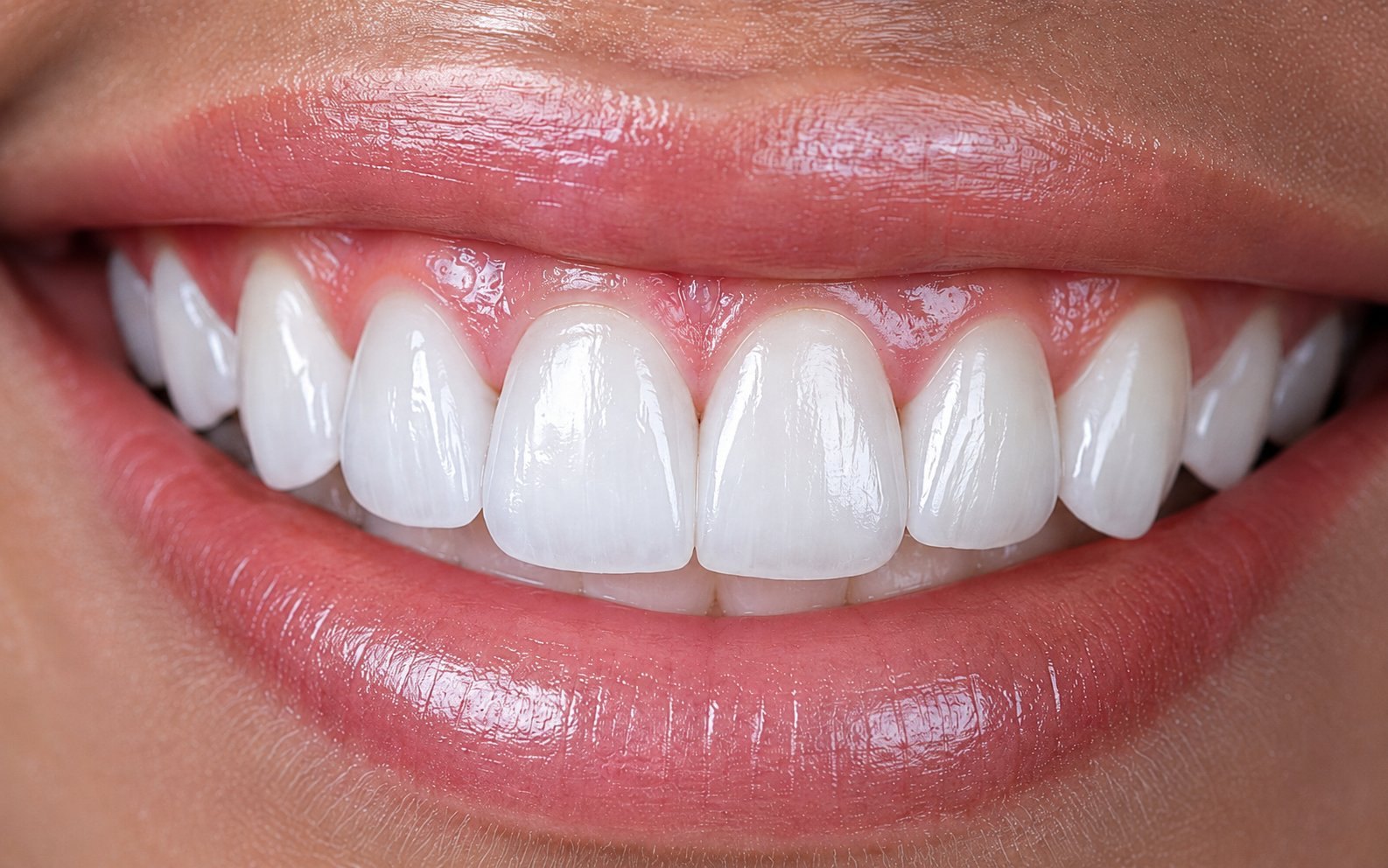
If you have started researching veneers, you have probably noticed the same question coming up again and again: should you choose no‑prep veneers or traditional veneers? Both can create a beautiful smile, but they are not the same treatment, and the difference matters more than most patients realize.
This guide breaks down how the two approaches actually differ, so you can walk into a consultation already understanding your options.
The core difference: tooth preparation
The biggest distinction comes down to one word, preparation, often shortened to “prep.” Prep refers to how much natural tooth structure is removed before a veneer is placed.
Traditional veneers typically require the dentist to shave down a meaningful layer of enamel from the front and edges of the tooth. No-prep veneers take the opposite philosophy: ultra-thin porcelain is bonded directly to the tooth surface with little to no enamel removal.
Enamel does not grow back. Once it is removed, that change is permanent, which is why a conservative approach matters.
Traditional veneers at a glance
Traditional veneers have been used in cosmetic dentistry for decades, and in the right hands they produce excellent results. They tend to be the better fit when teeth are significantly discolored, crowded or worn.
- Usually require enamel reduction to create space for the porcelain
- The change to the natural tooth is permanent and irreversible
- Can introduce temporary or lasting sensitivity for some patients
- Often involve temporary veneers worn between appointments
No-prep veneers at a glance
No-prep veneers are designed around tooth preservation. Because little to no enamel is removed, the natural tooth stays largely intact underneath the porcelain.
- Little to no enamel removal, a minimally invasive option
- Natural tooth structure stays protected beneath the veneer
- Most patients experience minimal to no sensitivity
- Frequently completed without temporary veneers
No-prep veneers are not right for every smile. If teeth are significantly protruded or crowded, adding porcelain without any reshaping can look bulky. This is why an individual evaluation matters, the goal is the right approach for your teeth.
How to know which is right for you
The honest answer: a consultation. A skilled cosmetic dentist evaluates the position of your natural teeth, your bite, the condition of your enamel, and the result you are hoping for.
At Doctor Laleh Dental Aesthetics, Dr. Laleh Mehrrafiee built her practice around conservative, tooth-preserving dentistry, and every veneer case begins with determining the least invasive path to a beautiful, natural smile.
Questions worth asking at your consultation
- Am I a candidate for no‑prep or minimal‑prep veneers?
- How much enamel, if any, will be removed?
- Will I be able to preview my smile before the porcelain is finalized?
- What does long-term maintenance look like?
A great cosmetic dentist will welcome these questions, and answer them clearly.